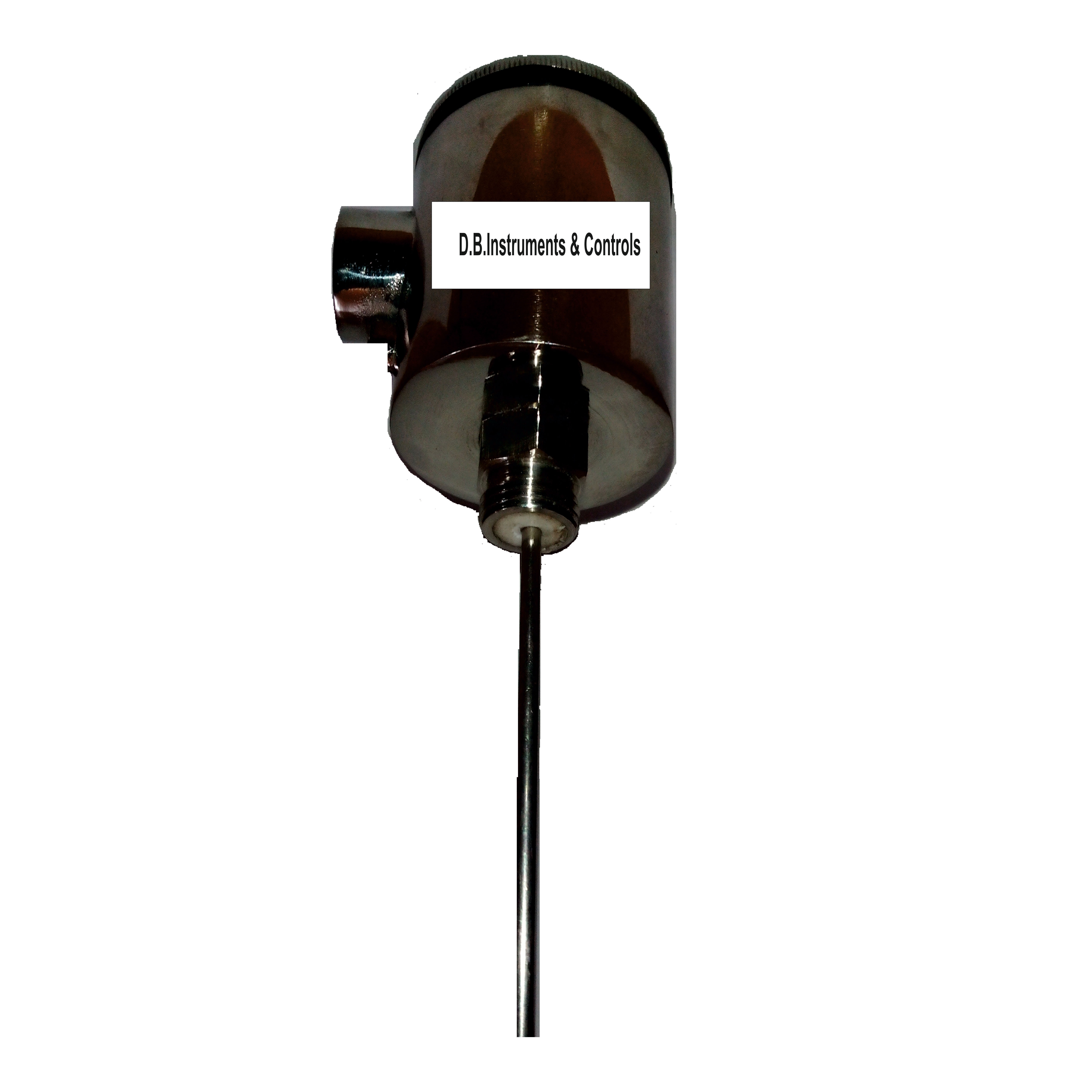
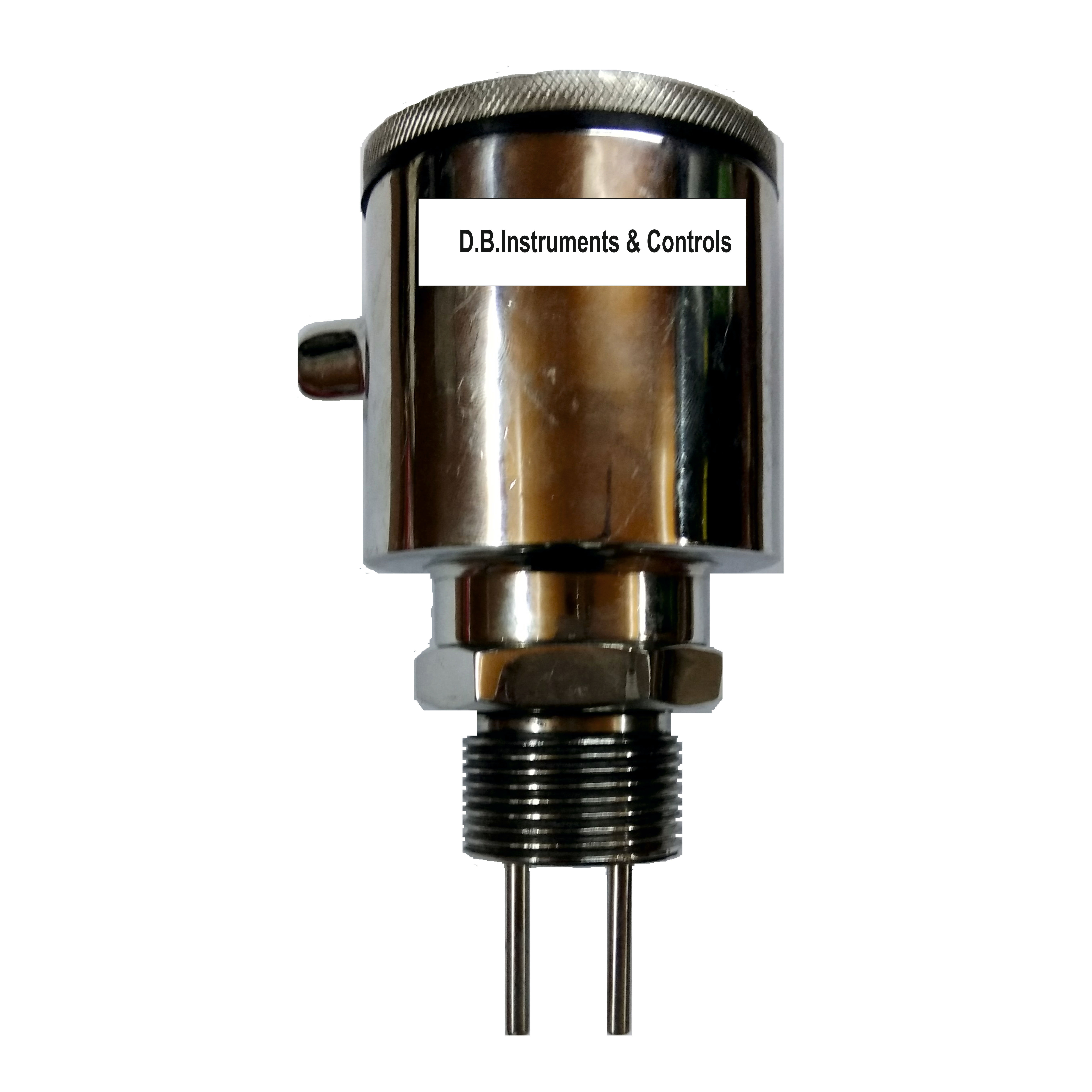
About Conductivity Level Sensor
A low AC voltage is applied between the probe electrode and the tank wall (or reference electrode in case of insulated tank). When the liquid comes in contact with the electrode tip, a conductive path is established between the sense electrode and the tank wall / reference electrode. This current is sensed, amplified and made to operate a relay whose contacts in turn can be used for annunciation / control.
Tank level measurement for boiler water, reagent monitoring, highly corrosive liquids, Water, waste water, chemical, condensate, coolant, pump dry running protection, ETP, STP etc
Features:
- No moving parts, so free from maintenance.
- No special cable required for signal transmission, therefore economical to install.
- Long cable connections permissible between probe and evaluation unit.
- AC on probes to prevent electrolytic deterioration of electrodes.
- Low voltage on probe for operational safety.
- Variety of control functions and installation systems available.
- Variety of probes available for various process conditions.
Product details
|
Power supply
|
24 V DC
|
|
Working temperature
|
-30 degree to 85 degree
|
|
Country of Origin
|
Made in India
|
|
Usage/Application
|
Liquid Level Measurement
|
|
Resolution
|
0.01 mm
|
|
Brand
|
DB Instruments
|
|
Material
|
Stainless steel
|
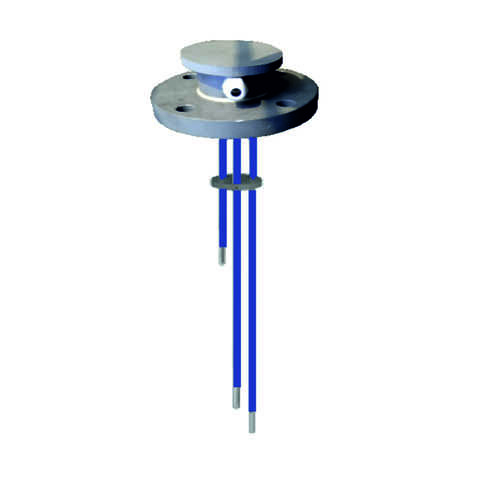
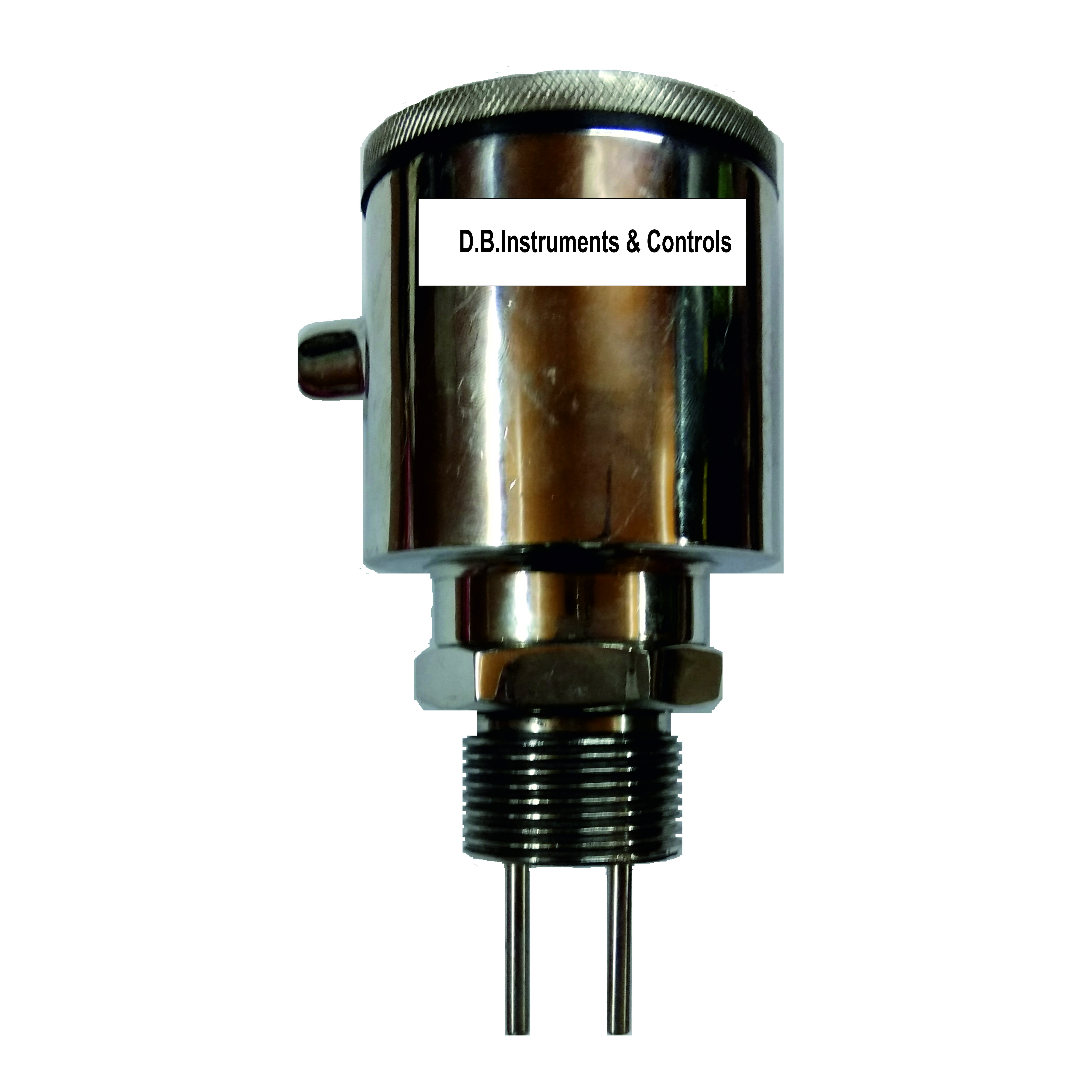
Versatile Design & Installation OptionsThe sensors construction allows for flexible installation, accommodating vertical or horizontal placement with threaded, flange, or suspension mounting. Its compact size and lightweight profile make it blend seamlessly into various industrial setups, while the ability to select between rod or cable-type electrodes meets diverse operational needs.
Reliability in Harsh EnvironmentsEngineered with SS316 stainless steel electrodes and a polypropylene insulator, this sensor resists corrosion and operates in ambient humidity up to 95% RH (non-condensing). The sensor performs consistently in temperatures from 0C to 60C and under a tank pressure of up to 2 bar, ensuring reliability even in demanding industrial applications.
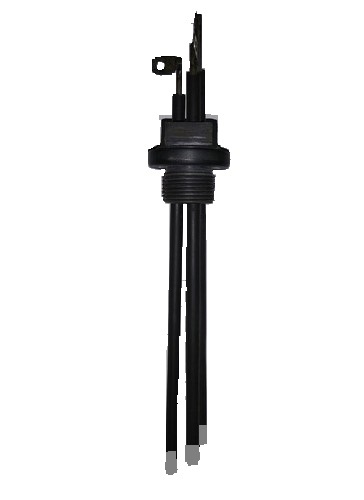
User-Friendly & Low MaintenanceInstallation is straightforward due to the sensors standardized dimensions, adaptable pole configurations (2 to 5 pole), and wiring options. With no built-in display, all output is managed via a relay (SPDT, max 5A at 230V AC) for simple integration with existing control systems. Its design minimizes upkeep, enhancing operational efficiency.
FAQs of Conductivity Level Sensor:
Q: How is the Conductivity Level Sensor installed in different tank environments?
A: The sensor can be installed in vertical or horizontal orientations using threaded, flange, or suspension mounting. Its flexibility supports integration into various tanks and sumps, and the standard 2-meter cable can be extended for deeper or larger installations.
Q: What benefits does the SS316 electrode material provide in industrial applications?
A: SS316 stainless steel offers superior corrosion resistance, which is critical for reliability in water treatment and chemical tanks. This ensures a long sensor lifespan and minimizes maintenance even when exposed to aggressive or corrosive fluids.
Q: When should the sensors cable be extended beyond the standard length?
A: Extension is recommended for larger tanks, deep sumps, or when installation points are far from the control unit. The sensor is designed to accommodate custom cable lengths as required by specific site conditions.
Q: Where is the control unit installed, and is it included with the sensor?
A: The control unit is supplied separately and can be mounted on a wall or panel, allowing operators to position it for optimal ease of access and monitoring within the industrial facility.
Q: What is the process for connecting the sensor to power and output devices?
A: The sensor supports AC/DC 24V, 110V, or 230V supply voltage and is compatible with single-phase systems. Output signals are delivered via a relay (SPDT), providing a straightforward interface with external alarms or control equipment.
Q: How does the sensor maintain accuracy and quick response in real-time monitoring?
A: With a response time of less than 1 second and an accuracy of 2 mm at the electrode tips, the sensor delivers real-time and precise level measurement, supporting process safety and efficiency.
Q: What warranty and service life does the sensor offer?
A: The product comes with a 1-year warranty and is rated for over five years of service under normal operational conditions, reflecting its robust build and reliable performance.











 Send Inquiry

 Send Inquiry
 Send Inquiry
 Send SMS
 Call Me Free